
Exploring the cultural significance of casinos in modern society
The Historical Roots of Casinos
The concept of casinos can be traced back to ancient civilizations, where gambling was often intertwined with social and cultural activities. In ancient Rome, for instance, games of chance were commonly played, and they served as a form of entertainment among citizens. These early gambling practices laid the groundwork for the modern casino, transforming it into a multifaceted institution that not only offers games but also serves as a social hub for diverse groups of people. The evolution of casinos reflects societal changes over time, adapting to cultural shifts and technological advancements. In today’s context, players can explore a variety of options, including an instant withdrawal casino that caters to their needs.
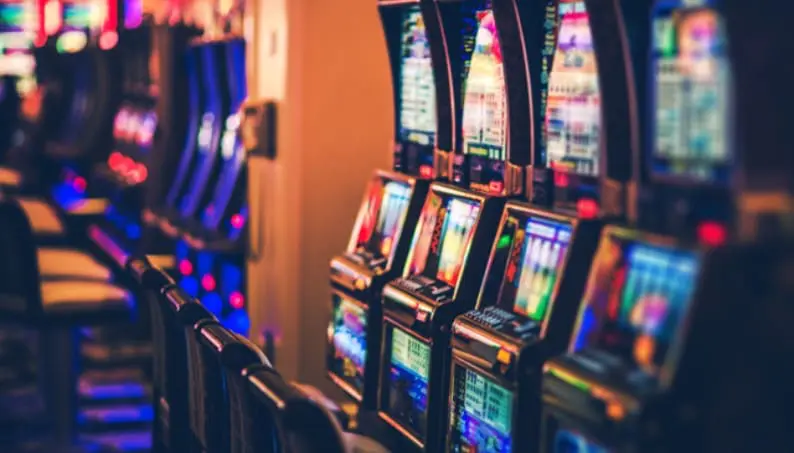
During the Renaissance period, gambling houses started to emerge across Europe, particularly in Italy, where the term “casino” originated. These venues became popular among the nobility, evolving into opulent establishments that catered to the elite. The emergence of casinos in places like Monte Carlo further solidified their status as centers of luxury and high-stakes gambling, showcasing the intricate relationship between wealth and leisure. This historical context informs our understanding of casinos as cultural landmarks that reflect both economic status and social interaction.
As societies transitioned into the modern age, casinos began to proliferate, especially in the United States during the late 20th century. Las Vegas became synonymous with gambling and entertainment, transforming into a cultural symbol that attracts millions of visitors annually. The historical trajectory of casinos underscores their significant role in shaping leisure activities, reflecting broader societal values, and creating spaces for community engagement.
The Role of Casinos in Social Interaction
Casinos serve as dynamic social environments where individuals from various backgrounds converge. These establishments create opportunities for interactions that extend beyond the games themselves. Whether through casual conversations at slot machines or lively gatherings around poker tables, casinos foster a sense of community among players. This social aspect is especially vital in a world where people often seek connection and camaraderie in an increasingly digital age.
Moreover, casinos often host events, concerts, and performances that further enhance their role as social hubs. These events attract not only gamblers but also individuals who come to experience the vibrant atmosphere. Such initiatives encourage socialization and cultural exchange, promoting a sense of belonging among attendees. As a result, casinos contribute to local economies and cultural landscapes, making them essential components of community life.
The integration of technology into casinos has also reshaped social interactions within these venues. Online gaming platforms have emerged, allowing players to connect with others globally. This development has transformed the casino experience, making it accessible to a broader audience while retaining the essence of social gambling. In this way, casinos adapt to contemporary lifestyles while continuing to fulfill their role as gathering places for diverse groups of people.
The Economic Impact of Casinos
Casinos significantly contribute to the economy, providing job opportunities and generating substantial tax revenues for local and state governments. The hospitality industry surrounding casinos, including hotels, restaurants, and entertainment venues, thrives as a direct result of their presence. This interconnectedness illustrates how casinos drive economic growth, especially in regions heavily reliant on tourism. The financial influx from gambling can have a profound impact, often funding public services and infrastructure projects.
Additionally, casinos attract millions of visitors annually, bolstering local businesses and stimulating the economy. The influx of tourists seeking gambling and entertainment experiences creates a ripple effect that benefits various sectors, from retail to transportation. Such economic benefits underscore the importance of casinos as key players in regional development strategies, making them vital contributors to local economies.
However, it is essential to acknowledge the duality of casinos’ economic impact. While they offer financial benefits, they also raise concerns regarding gambling addiction and societal implications. Responsible gaming initiatives are critical in balancing the economic advantages with the potential risks associated with gambling. This ongoing dialogue highlights the need for a nuanced understanding of casinos as economic entities that operate within a broader societal context.
Casinos as Cultural Symbols
In modern society, casinos have evolved into cultural symbols, often representing glamour, risk, and entertainment. They reflect societal attitudes towards gambling and leisure, encapsulating the thrill of chance and the allure of high-stakes play. The portrayal of casinos in popular culture—through films, television shows, and literature—reinforces their image as exciting yet precarious venues where fortunes can change overnight.
The visual aesthetics of casinos further enhance their cultural significance. Lavish designs, intricate decor, and elaborate lighting create immersive environments that transport visitors to a realm of excitement and possibility. The overall experience is carefully curated to evoke feelings of anticipation and exhilaration, making it a unique cultural phenomenon that transcends traditional notions of entertainment.
Moreover, the cultural narratives surrounding casinos often touch on themes of risk and reward, identity, and social class. These establishments become spaces for storytelling, where individual experiences intertwine with broader societal themes. In this way, casinos not only provide entertainment but also serve as reflections of cultural values and aspirations, highlighting the complex relationship between leisure, identity, and social dynamics.

Conclusion: The Modern Casino Experience
The modern casino experience continues to evolve, adapting to changing societal norms and technological advancements. Today, online casinos offer unparalleled convenience, allowing players to engage in gaming from the comfort of their homes. This shift has expanded the definition of what a casino can be, making it accessible to a broader audience while maintaining its cultural significance. The rise of instant withdrawal casinos exemplifies this transformation, providing players with rapid payouts and a seamless gaming experience.
For both newcomers and seasoned players, understanding the cultural significance of casinos enhances the overall experience. By recognizing their role as social hubs, economic contributors, and cultural symbols, individuals can appreciate the complexities of the casino landscape. Whether visiting a physical location or playing online, the connection to broader societal themes enriches the gaming experience, allowing players to engage more meaningfully with their surroundings.
In summary, casinos occupy a unique place in modern society, balancing entertainment, economic impact, and cultural significance. As the landscape continues to evolve, players are invited to explore the myriad experiences casinos offer, both online and in-person. Through informed decisions and responsible gaming practices, individuals can fully enjoy the vibrant world of casinos while contributing to their ongoing cultural narrative.

Leave a Reply